
Copart auto auction or the local market: where to look for luck and a sound car?
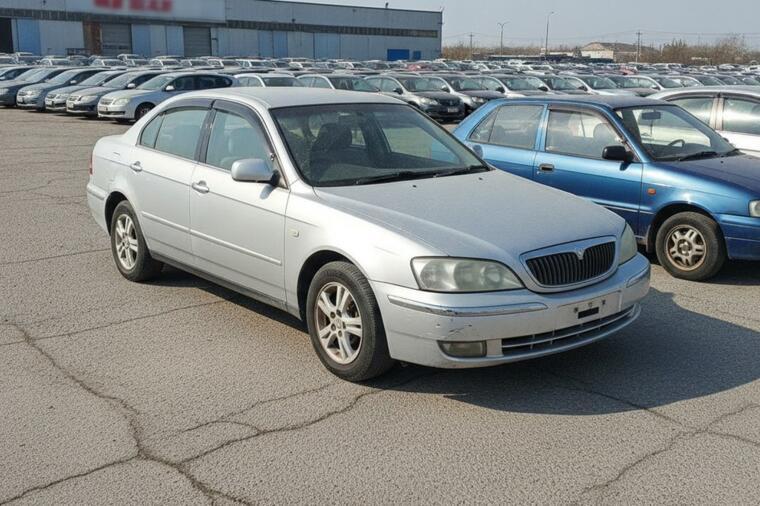
When you start looking for your next set of wheels, the Copart auto auction pops up in your search results very quickly. It sounds tempting: across the Atlantic sit thousands of SUVs and sporty sedans. Judging by the photos, all they need is a fender straightened out a bit and a bumper polished. However, between the dream of a cheap purchase and the reality on the paving of your driveway lie an ocean, customs, and a body shop queue. Let's look at this practically: how buying from the US works, what makes up the full cost estimate, and what European online auctions offer instead.
The American dream in a container: what buying from the US really means
Many buyers think that a US car auction is a place where great cars are given away for next to nothing. The reason is simpler: property written off after traffic accidents, hail, or floods ends up there. That is how an insurance car auction works—it is often cheaper for an insurer to pay out compensation and sell the remains than to pay for expensive repairs.
To take part from Lithuania, you first have to solve the question of access. Some lots require a US dealer license, so a private buyer cannot bid on them directly. In practice, two paths remain. The first is to register through an auction broker, pay a deposit, and bid yourself. The second is to hire an intermediary who bids on your behalf and handles the paperwork and logistics.
Before bidding, it is essential to read the lot's document type (title) and condition labels:
- Clean Title – the car was not written off, though this does not mean it is free of defects.
- Salvage Title – after an insured event, repair was deemed economically unviable. Once repaired and through a technical assessment, such a car can usually be registered in Lithuania.
- Non-Repairable, Parts Only, Certificate of Destruction – the car is meant only for dismantling into parts; you will not be able to register it.
- Run and Drive – at the yard, the car started and moved from its spot. This label does not guarantee a healthy gearbox or cooling system.
The primary damage is also listed with the lot. The most common options are:
- Front End, Rear End, Side – an impact to the front, rear, or side. What matters most is whether the frame rails and pillars are untouched.
- Water/Flood – a flooded car. Electrical faults can surface even several months later.
- Hail – hail dents. The mechanics are usually sound, but there is a lot of bodywork.
- Mechanical – an engine or gearbox failure that you cannot assess from photos.
- Burn – a burned car, usually suitable only for parts.
The biggest risk lies in the photos, because you cannot touch the metal in person. Look at the panel gaps, deployed airbags, and the engine bay. A photo of the dashboard with the ignition on shows the mileage and warning lights. A waterline on the door trim or seats gives away flooding. There are also cosmetically "patched up" lots: an intact bumper fitted over a bent frame rail, or an interior washed out after a flood. That is why it is worth ordering a history report by the VIN. It shows previous accidents, mileage records, and sometimes older auction photos of the same car.
Time is euros: how many months the ship sails and how many days a local auction takes
If you choose the overseas Copart auto auction, arm yourself with patience. The reason is multi-stage intercontinental logistics. After winning a lot, you have to make an international bank transfer within a few business days. If you are late paying or collecting the car, storage fees start to add up.
First, a car carrier picks up the vehicle from the auction yard and takes it to the port. If the yard is deep inland, this stage alone takes anywhere from a few days to a couple of weeks. At the port, there is a wait until the car is loaded into a container along with others and the export documents are sorted out. Then the ship sails across the Atlantic to a European port.
The entire journey, including unloading and customs formalities, usually takes about two or three months, and sometimes longer. Add more time for finding parts, body straightening, painting, and the technical assessment. A car auction in Europe lives at a different pace: the purchase is already on the same continent, so the trip is counted in days rather than months.
Crashed or running: calculating repair and logistics costs
So that a low starting price does not fool you, it is worth writing down the estimate before you place your first bid. The total amount in euros consists of eight lines, and the bid is only the first one:
- Winning bid – the amount for which you won the lot.
- Auction fees – the buyer's fee, which depends on the size of the bid, as well as online bidding, yard, and document fees.
- Broker or intermediary fee – for access to the auction, administering the deal, and organizing logistics.
- Inland transport in the US – a car carrier from the auction yard to the port. The further from the coast, the more expensive it is.
- Ocean shipping and handling – space in a container, loading in the US, and unloading at a European port.
- Customs duty and VAT – import duty is calculated on the car's value together with transport. VAT is charged on the whole sum, and customs broker services come on top of that.
- Repairs and adaptation – bodywork and mechanical work, airbag replacement, and adapting the headlights to European requirements.
- Technical assessment and registration – conformity assessment, roadworthiness inspection, and registration fees at Regitra (the vehicle registration authority in Lithuania).
The seventh line is the hardest to predict. Even a minor front impact can hide bent radiators, damaged headlight control units, or radars, and these parts are expensive. So leave a reserve for repairs rather than calculating by the most optimistic scenario.
Closer to home: a car auction in Europe
Once you tire of the transatlantic lottery, your gaze turns to Europe. A car auction in Germany tempts with a tidy service history, and a car auction in Finland with cars prepared for a cold climate. A car auction in Estonia is convenient because the purchase can be brought home within a few days. In all these cases, the car already meets European requirements, so there is no need to convert the headlights. In Lithuania, some buyers also watch what a VMI (the Lithuanian tax authority) car auction or an ESO car auction has to offer. Confiscated property and company vehicles are sold there, but such sales take place irregularly.
A local alternative: autoa.bid
Another path is the local online auction autoa.bid. In the auction, buyers compete live while the seller watches the bids. The seller sets a reserve price that buyers do not see—only the winner learns it, and only if the bidding did not reach it. How everything works is described on the page how to buy a car, while the terms are set out in the auction rules and FAQ.
Frequently asked questions
How can a private buyer from Lithuania take part in a Copart auction?
Some lots require a US dealer license, so private buyers usually register through an auction broker or hire an intermediary. A broker gives access and asks for a deposit, while an intermediary also checks the documents and arranges delivery.
How long does a car's journey from the US to Lithuania take?
From winning the auction to collecting the car at a European port, it usually takes about two or three months, sometimes longer. The timeframe depends heavily on how far the auction yard is from the port. Repairs and registration take additional time.
What documents and labels must be checked before bidding?
The most important thing is the document type. A car with a "Salvage Title" can usually be registered in Lithuania after repairs and a technical assessment. Lots marked "Parts Only", "Non-Repairable", or "Certificate of Destruction" are meant only for parts. Also look at the damage type and order a history report by VIN.
What makes up the total price of a car from Copart?
On top of the winning bid come auction fees, the broker's or intermediary's fee, transport to the port in the US, ocean shipping, customs duty and VAT, repairs, the technical assessment, and registration at Regitra. The bid itself is just one of eight lines.
Before bidding at Copart, write down all eight cost lines and compare the resulting sum with what is on offer closer to home at that moment—for example, in autoa.bid auctions.
Related articles:
Website development: VDB.lt

Bid confirmation
By confirming the bid, I commit to purchasing the vehicle if I win (except for cases when undescribed/hidden defects are identified) and I take responsibility for the consequences of erroneous bids.
This bid is far above the current price

 Lithuania
 Latvia
 Estonia
 Poland
 All countries