
Car valuation: why do your neighbor's opinion and classified portals get it wrong?
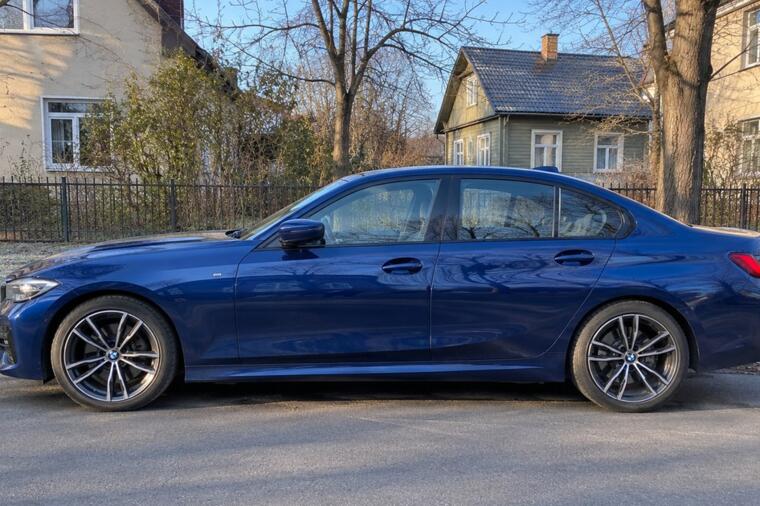
When you decide to sell your car, the first question is always the same – how much should you ask for it? A car valuation usually starts with a know-it-all neighbor and ends on a classified ad portal. The trouble is that both paths lead to a dead end: either you sell it too cheaply within the first hour, or the listing gathers dust on a virtual shelf until next Christmas.
The short answer. Classified portals show the amounts sellers are hoping for, not what buyers actually pay, so you won't get an accurate car valuation from them. The true value in euros is revealed by a live auction where buyers compete with their own money.
The illusion of classifieds: why has the "exact same" car been sitting on the portal for half a year?
A car sits there for half a year because its price is too high, and a car valuation based on classified portals only shows the expectations of other sellers. What you see on the screen is a kind of "wish list" that includes both room for negotiation and the owner's emotional attachment.
Suppose you are looking for a 2012 diesel station wagon and find ten similar listings. Before drawing any conclusions, check the upload date of each listing. If some of them have been sitting on the portal for several months, that price is of no interest to buyers. Realistically priced examples were bought quickly and have already disappeared from the portal.
This creates a distorted picture: only overpriced, unwanted cars remain on the portal. A new seller, taking cues from these "museum exhibits," sets the same unrealistic price and joins the waiting line. At an auction, the price is shaped by competition among multiple buyers, not by a single seller's fantasy. For example, over the last 12 months, 88% of autoa.bid auctions received at least 5 bids (auctions observed: 11,962).
Emotions versus the market: how much is your beloved pride and joy really worth?
Your beloved ride is worth only as much as a buyer pays for it, and the owner's emotions and recent repair expenses barely increase this amount. To the seller, the car is a faithful friend that got new brake pads and an oil change just a month ago.
The owner's math is simple: they add 400 euros for new winter tires and another 150 euros for a battery to their desired amount. The buyer calculates differently. They take working brakes and a functioning battery for granted and will not pay extra for them. If these things are missing, the buyer lowers the price; if they are there, they don't pay extra.
Another misleading source is a neighbor or relative who "sold the exact same one for a high price half a year ago." Such stories often leave out the details: the neighbor's car had half the mileage, a richer trim level, or the story was simply embellished. Relying on such tales is the shortest path to disappointment when you don't receive a single call for months on end.
When is an official car asset valuation needed and what determines its cost?
An official car asset valuation is required for formal procedures – buying with a bank loan, inheritance, division of property, or insurance disputes, whereas for a simple sale it is unnecessary. When a car valuation for leasing is required, the bank usually asks for an independent appraiser's report to know the collateral value.
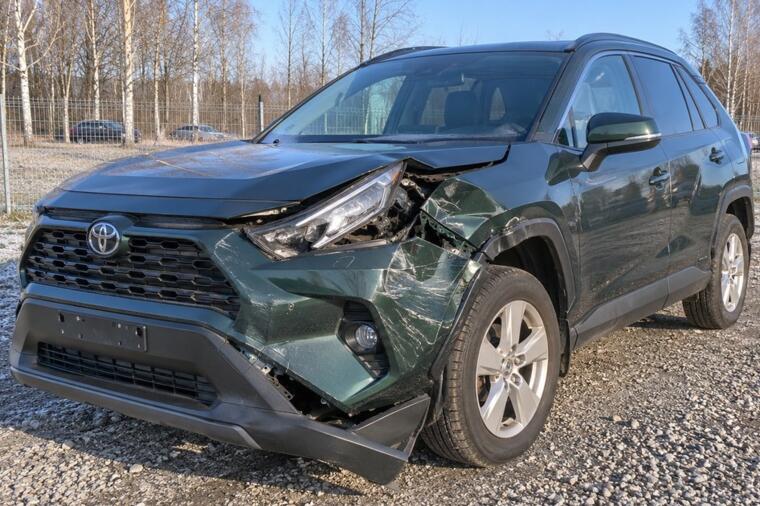
The car valuation cost depends on the appraiser, the type of vehicle, and the scope of the report, so check with several appraisers before ordering the service. A more complex process is a car damage valuation after a traffic accident. An expert assesses the damaged parts, the cost of repair work, and the residual value of the car.
- For a bank or leasing company: first ask which appraisers' reports they accept.
- For inheritance or division of property: consult a notary about what kind of report is needed.
- For an insurance dispute: keep photos and documents from the traffic accident – without them, it is difficult for an appraiser to work.
If your goal is simply to sell the car sitting in your yard, a paper report won't do you any good. The appraiser will not buy the car for the amount they wrote on the certificate. An actual deal is still determined by a buyer with money.
How do auction participants perform the most accurate car valuation in a few days?
Auction participants determine the value by competing with real money: every new bid shows how much buyers are ready to pay at this very moment. Instead of lowering the price on a classified portal every week and waiting for a call, you let buyers push the bids up themselves.
No auction fees apply to the seller, and there is no commission. There are no phone calls before the deal and no trips for car viewings, while we find the buyers for you. You can find all the steps from submitting a car to closing the deal on the page about how to sell a car. If you are looking for a car yourself, the buyer's side is covered on the page about how to buy a car.
The most important safeguard is the reserve price. The seller sets a reserve price – you won't sell for less. Buyers do not see the reserve price – only the winner finds out what it is, and only if they haven't reached it. At the auction, buyers compete live while the seller watches the bids. If the offered amount is not satisfactory, you do not have to sell. If the reserve price is not reached, it is possible to negotiate with the potential buyer after the auction, and the auction can also be repeated. What is allowed and what is not is described in the auction rules – read them before submitting your car.
Mileage, year, and trim level: what drives auction bids up the most
Bids are driven up the most by genuine mileage, a rust-free body, a valid technical inspection (roadworthiness test), and clearly described defects. When flaws are not hidden, buyers raise their bids more confidently because they aren't afraid of surprises.
Let's compare two sedans of the same model and the same year. A base-trim car with a mileage of 350,000 kilometers will see quieter bidding than the same model with 190,000 kilometers, a leather interior, and a recently passed technical inspection.
- Honest photos: take close-up pictures of scratches, rust, or cracked glass.
- Technical facts: state whether the engine starts, whether any warning lights are on the dashboard, and how the gearbox works.
- Post-accident defects: do not try to "pretty up" the car. The auction is also suitable for crashed cars – auto salvage yards find out about them immediately.
The last point is important for those whose car no longer runs. Valuing a crashed or broken-down car yourself is almost impossible: one mechanic will estimate the repair one way, while another will give an estimate several times higher. At an auction, auto salvage yards and mechanics calculate the value of the intact components themselves and show it through their bids.
Is a car valuation on a classifieds portal accurate?
When comparing listings on a portal, you only see the amounts other sellers are asking by make, model, and year. Such a comparison does not account for your car's condition, rust, defects, and true mileage, so it is only useful as a rough guide.
What happens at the auction if the bids do not reach my desired amount?
Before the auction, you set a reserve price. If the offered amount is not satisfactory, you do not have to sell. If the reserve price is not reached, you can negotiate with the potential buyer after the auction or repeat the auction.
Is it worth repairing minor defects before submitting a car to the auction?
Usually not. Mechanics and auto salvage yards perform repairs more cheaply than a repair shop would charge you, so spending 300 euros is unlikely to increase the bids by that same amount. It is better to describe the flaws openly and show them in the photos.
How long does it take to find out the real value of a car at an auction?
Unlike on a classified portal, where you can wait months for a phone call, an auction has a clear start and end. When it finishes, you see real buyer bids in euros. You can find more answers in the FAQ section.
Instead of guessing and asking your neighbor, let the buyers show you the price. Submit your car on autoa.bid, set your reserve price, and watch buyers compete live for your car.
Related articles:
Website development: VDB.lt

Bid confirmation
By confirming the bid, I commit to purchasing the vehicle if I win (except for cases when undescribed/hidden defects are identified) and I take responsibility for the consequences of erroneous bids.
This bid is far above the current price

 Lithuania
 Latvia
 Estonia
 Poland
 All countries