
Damaged car auction Lithuania: 4 ways to turn a dented fender into euros without tears
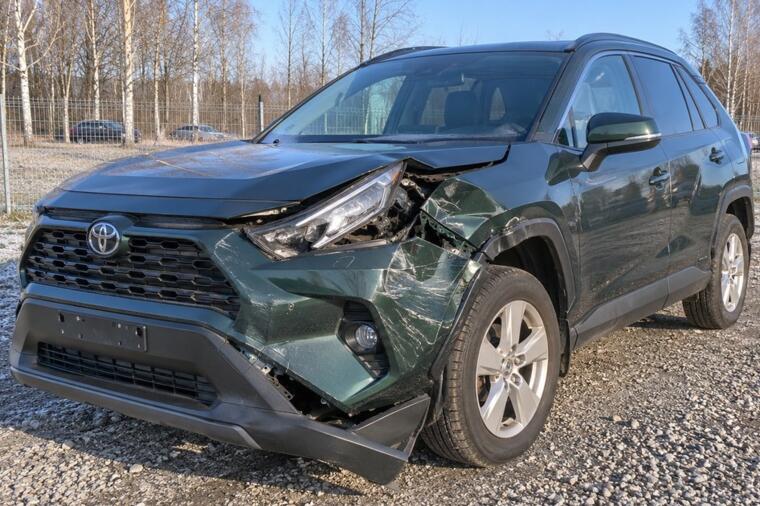
Your morning starts not with coffee, but with a dull thud at an intersection. The front bumper is hanging by a single bolt, the left headlight is pointing at the treetops, and body repair specialists say they have no free slots until next month. At a moment like this, a damaged car auction Lithuania offers becomes a practical way out. There is no need to negotiate with mechanics or hunt for parts across classified ads. You upload the damaged vehicle to an online auction, and buyers decide for themselves how much this puzzle of metal and plastic is worth.
Short answer. A damaged car auction in Lithuania allows you to sell an accident-damaged vehicle as-is, while mechanics and auto salvage yards compete for it by placing bids online. The seller sets the reserve price and doesn't have to host viewers in their driveway.
Why is a crashed vehicle not scrap metal yet, but a hot auction lot?
A damaged car gets plenty of attention at an auction because for mechanics and dismantling yards it is raw material for repair work or spare parts. What looks like an expensive headache to an everyday driver is straightforward math to a professional. On classifieds portals, buyers are looking for a shiny body without a single scratch, whereas a damaged car auction brings together a completely different audience. It attracts body repair specialists with their own paint booths and salvage yard representatives who know the exact value in euros of an intact engine, gearbox, or interior components.
Data from autoa.bid shows the very same trend. Over the last 12 months, auctions on autoa.bid averaged 44.2 bids per car (across 11,962 observed auctions). The auction format suits damaged cars just as well—auto salvage yards learn about them right away. Every bid represents someone's calculated value of intact doors, an engine, or a rear axle.
For the seller, this format saves a lot of stress. You don't have to stand out in a cold yard listening to resellers sigh about how much it will cost to pull a frame rail straight. There are no phone calls before the deal is made and no trips for car viewings—you simply watch the bids on your screen.
How to photograph scratches so buyers line up to bid?
Honest and detailed photos of all damage dispel buyers' doubts and encourage them to place higher bids with confidence. When a car is sold remotely, a buyer is only buying what they can see on the screen. If you photograph the bodywork from far away or in dim light, an experienced mechanic will price in the worst-case scenario and offer less.
Take photos during the day in natural daylight and follow this sequence:
- Photograph the car diagonally from all four corners so the body proportions and intact panels are clearly visible.
- Take close-up shots (from a distance of 30–50 centimeters) of the impact area, bent parts, cracked plastic, and the gaps between body panels.
- Open the hood (if it opens after the impact) and photograph the radiator, fluid reservoirs, and belts to show whether they are intact.
- Turn on the ignition and photograph the instrument cluster—buyers want to see the mileage and any illuminated warning lights.
- Show the interior, especially the steering wheel and dashboard, so it is clear whether the airbags have deployed.
Add a brief but accurate description alongside your photos. Write plainly: "After an impact to the front right wheel, the coolant leaked out; the engine starts, but the car cannot be driven under its own power." That level of detail immediately tells a buyer they will need a tow truck and a new radiator. You can find the full listing submission process on the page explaining how to sell a car at auction.
What buyers should know: is it worth buying a car with defects?
Buying a damaged vehicle is worthwhile when you calculate the costs of parts, repairs, and transport before placing your very first bid. In any car auction, a cool head wins over excitement.
Suppose you have your eye on a lot with a dented passenger-side door and a crushed sill. Before clicking the bid button, do your homework:
- Check used parts portals to see how much a door in the exact same color costs. Finding a part in the matching color lets you avoid painting expenses.
- Assess the safety systems. If the airbags have deployed and the seatbelts are locked, add replacing them and reprogramming the control unit to your estimate—confirm the exact price for that specific model with a repair shop.
- Factor in a tow truck to bring a non-running vehicle home, as well as the mandatory technical inspection after repairs.
Subtract your total estimate from the market value of an undamaged car of the same model—that gives you your maximum bidding limit. Do not bid above it, no matter how tempting the final minutes get. Registration and the bidding process for newcomers are explained on the page covering how to buy a car at auction.
How does a Lithuanian online car auction work: from the first bid to the keys?
A Lithuanian car auction takes place remotely: the seller submits a listing form and sets a reserve price, buyers compete by placing bids until the auction ends, and afterward it becomes clear whether a deal has been reached. Here are the four steps from a dented fender to the tow truck:
- Listing form and reserve. The owner enters the details and uploads photos. The seller sets a reserve price—you won't sell for less. Buyers cannot see the reserve price; only the winner finds out what it was, and only if their bid didn't reach it.
- Bidding. We find the buyers. Buyers compete live in the auction while the seller watches the bids come in. The most exciting part is the final hours.
- Decision after the finish. If the highest bid reaches the reserve price, the deal is done. What if it fell just a little short? If the offered amount does not satisfy you, you do not have to sell. If the reserve price is not met, you can negotiate with the potential buyer after the auction ends. The auction can also be repeated.
- Contract and tow truck. No auction fees apply to the seller, and there is no commission. The parties sign a bill of sale, the buyer pays, and takes the vehicle away. Who must do what and when is precisely defined in the auction rules.
Instead of spending weeks replying to messages saying "I'll give you half the price and pick it up today," you see real bids and decide for yourself whether to sell.
Frequently asked questions about the damaged car auction
Can I sell a car that won't start after an accident?
Yes, the auction format is suitable for damaged cars as well—auto salvage yards find out about it right away. State clearly in the listing form that the engine does not start or the suspension is damaged, and the winner will plan for a tow truck immediately.
How much does it cost a seller to list a car at auction?
No auction fees apply to the seller, and there is no commission.
What happens if nobody bids up to my reserve price?
If the offered amount does not satisfy you, you do not have to sell. If the reserve price is not reached, you can negotiate with the potential buyer after the auction, and the auction can be repeated.
Will buyers come to my yard to inspect the damaged car?
No. There are no phone calls before the deal and no trips to view the car—which is why clear photos and an accurate description are so important.
If you have a car sitting sadly in your driveway after a traffic accident, photograph it following the checklist in this article and upload it to autoa.bid. And if you are looking for a new garage project, browse the live auctions there and put together your cost estimate before placing your first bid.
Related articles:
Website development: VDB.lt

Bid confirmation
By confirming the bid, I commit to purchasing the vehicle if I win (except for cases when undescribed/hidden defects are identified) and I take responsibility for the consequences of erroneous bids.
This bid is far above the current price

 Lithuania
 Latvia
 Estonia
 Poland
 All countries