
Is it worth financing a car, or is it better to hunt at an auction? 5 arguments
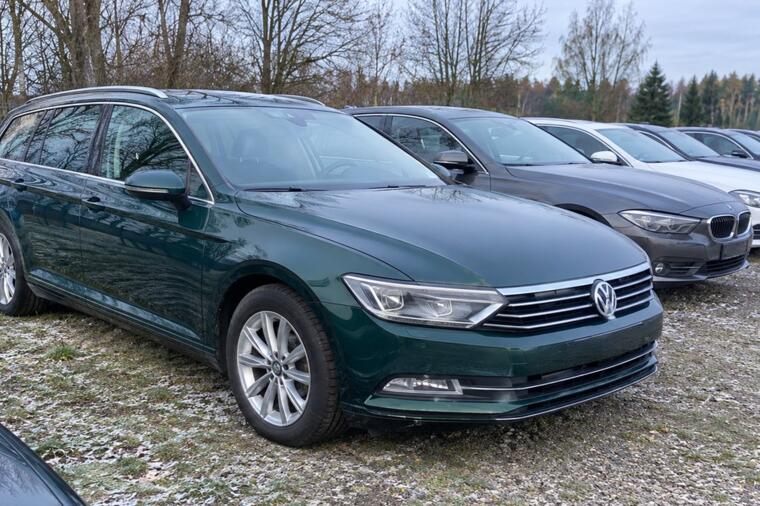
The smell of new plastic in a car cabin intoxicates faster than a spring breeze. However, the moment you drive out through the dealership gates, the car is already worth less than what you signed for. That is why many people rack their brains over whether it is worth financing a car and handing over several hundred euros to the bank every month for five years. The alternative is an online auction: you buy with your own money, and from day one you are the true owner of the vehicle.
The short answer. Financing a car is worth it when a brand-new vehicle with a warranty matters more to you than the total price. For this, you pay interest and the comprehensive (CASCO) insurance required by the bank, and you comply with the contract terms. If you want the car to be yours immediately rather than the bank's, a used car from an auction bought with your own money works out cheaper.
1. The math of leasing: is it worth buying a new car with a residual value?
Taking a new car with a residual value is only worth it if you intend to buy it out at the end of the contract or consciously swap it for another new one. Otherwise, you spend five years paying for depreciation and interest, only to hand back the keys at the end. The monthly payment in the advertisement looks small precisely because a large portion of the price is deferred until the end of the contract.
Before signing the contract, look for five lines in it:
- Down payment – how much you pay upfront.
- Residual value – the amount you will have to pay at the end if you want to keep the car.
- APR (Annual Percentage Rate of Charge) – the annual rate of the total cost of consumer credit. It shows the full cost of financing including fees, not just the interest.
- Comprehensive (CASCO) insurance – the bank usually requires you to maintain it for the entire duration of the contract.
- Mileage limit and condition requirements – when returning the car, every exceeded kilometer and every scratch is counted.
Add up the down payment, all monthly installments, five years of comprehensive insurance costs, and the residual value. The resulting figure is the true price of the car. Compare it with the price of the same car at the dealership without financing – the difference often cools down even the biggest fan of that new-car smell.
2. The freedom of an auction: when the car is immediately yours, not the bank's
When buying at an auction with your own money, you get a car with no monthly payments, no mileage limit, and no bank conditions regarding insurance or servicing. You decide for yourself whether you need comprehensive insurance, and you choose a mechanic based on your own experience rather than from a dealership's list.
Many people shy away from high mileage, even though a few hundred thousand kilometers on the odometer is not a death sentence for an older car. It means that the bulk of the depreciation has long been "paid off" by previous owners. You are paying for the car, not for its first years.
High mileage on its own says very little – the car's history tells you much more. Order a report using the VIN number: it shows previous accidents and mileage records. Look in the description and photos to see whether the timing belt has been replaced and whether there are any notes about the gearbox.
3. What is better to hunt for at an auction: is it worth buying a diesel car, or perhaps a slightly damaged one?
Buying a diesel car at an auction is worth it if you do a lot of out-of-town driving, while a slightly damaged one makes sense if you know how to assess the damage and have a mechanic. A hybrid is better suited for the city, and a car from Sweden is for those who do not mind carefully inspecting the underbody.
- Diesels. Is it worth buying a diesel car? Yes, if you cover many kilometers on highways each year – on long trips, a diesel burns less fuel. If you only drive short distances in the city, the diesel particulate filter (DPF) does not have time to regenerate and sooner or later will remind you of itself at the repair shop. Before placing a bid, check that the description does not mention turbocharger, injector, or dual-mass flywheel faults.
- Hybrids. Is it worth buying a hybrid car? In the city – yes: in traffic jams and at traffic lights, the electric motor does the work, and the brake pads wear down more slowly. At an auction, read carefully to see if there are any notes in the description about the high-voltage battery, and check the photo of the dashboard with the ignition on – warning lights are visible there.
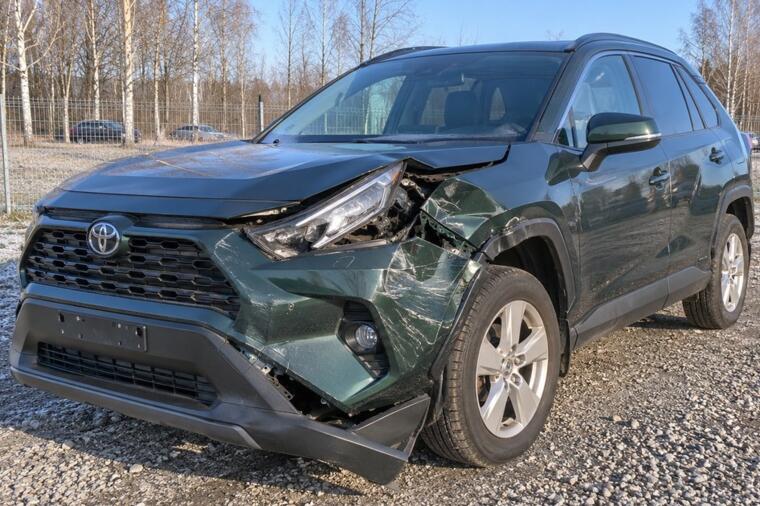
- Damaged cars. Is it worth buying a damaged car? It is worth it if only external parts were affected: a door, a bumper, or a headlight. If the airbags have deployed or bent frame rails are visible, the repair costs can eat up all your savings. An auction is also suitable for damaged cars – scrapyards find out about it immediately. At those yards, you can also find a used part in the same color yourself by matching the paint code.
- From Sweden. Is it worth buying a car from Sweden? Often it is: such cars tend to be well-equipped, frequently come with an auxiliary heater, and the country's registry records the mileage at technical inspection. In winter, the roads there are salted, so photos of the underbody and sills are more important than the mileage – rust costs more than extra kilometers.
4. 5 tips on how to successfully buy a car at an auction without a bank's help
At an auction, the winner is the one who sets a budget before placing the first bid and examines the car through photos and its VIN. Here are five steps.
- Keep a 15 percent reserve. If you have 5,000 euros, bid up to 4,250 euros, and set aside the remaining 750 euros for the first service: oil, filters, fluids, and the timing belt if there is no record of its replacement in the history.
- Study the photos. There are no phone calls before the deal and no trips to inspect the car, so the photos and description are your primary tools. Look at the gaps between the hood and the fenders, the dashboard with the ignition on, and the wear on the steering wheel and seats. We have outlined the entire process step by step on the page "how to buy a car".
- Understand the reserve price. At an auction, buyers compete live while the seller watches the bids. The seller sets a reserve price that buyers cannot see – only the winner finds out what it is, and only if they did not reach it. In that case, it is still possible to negotiate after the auction.
- Stay disciplined. In the final minutes, the thrill of the chase whispers to add another hundred. Before placing your first bid, read the auction rules: once you win an auction, the transaction is binding, so only bid as much as you are truly prepared to pay.
- Include taxes in your budget. Check whether you will have to pay a pollution tax when registering the car in your name at the vehicle registration authority of the seller's country (in Lithuania — Regitra) and how much it will be – it depends on CO2 emissions and fuel type. Add compulsory third-party liability insurance to your budget, as well as a roadworthiness inspection if its validity is expiring.
Is it worth buying a car with a residual value if I plan to return it?
This is essentially a long-term rental: for five years you pay installments, interest, and comprehensive (CASCO) insurance, and at the end you return the car and are left with nothing. It is only worth it if you consciously agree to pay for the opportunity to drive a new car every few years.
How much does it cost to sell a car at the autoa.bid auction?
No auction fees apply to the seller, and there is no commission. The conditions for buyers are set out in the auction rules, and you can find answers to the most common questions in the FAQ section.
What happens if I win an auction but do not reach the reserve price?
Buyers cannot see the reserve price – only the winner finds out about it, and only if they have not reached it. Then, after the auction, you can negotiate with the seller, and if an agreement cannot be reached, the auction can be repeated.
Is it worth buying a car with a mileage of over 300,000 km?
High mileage in itself is not an obstacle: how the car was maintained tells you much more. The service history, the VIN report, and the defects listed in the description are more important.
If a bank schedule for the next five years reminds you of a prison calendar, visit autoa.bid: browse the ongoing auctions, pick a car, and set your bidding limit in advance. And if you want to get rid of your current vehicle first, read how to sell a car.
Related articles:
Website development: VDB.lt

Bid confirmation
By confirming the bid, I commit to purchasing the vehicle if I win (except for cases when undescribed/hidden defects are identified) and I take responsibility for the consequences of erroneous bids.
This bid is far above the current price

 Lithuania
 Latvia
 Estonia
 Poland
 All countries